🇬🇧Lonely vs Alone vs Solitary — 似ているけれど違う言葉
- Davide

- Mar 11
- 6 min read
ニュアンスと現代英語
Lonely vs Alone vs Solitary — 似ているけれど違う言葉
Nuance & Modern Usage
Lonely, Alone, and Solitary — Similar Words, Different Feelings
きっかけになった質問
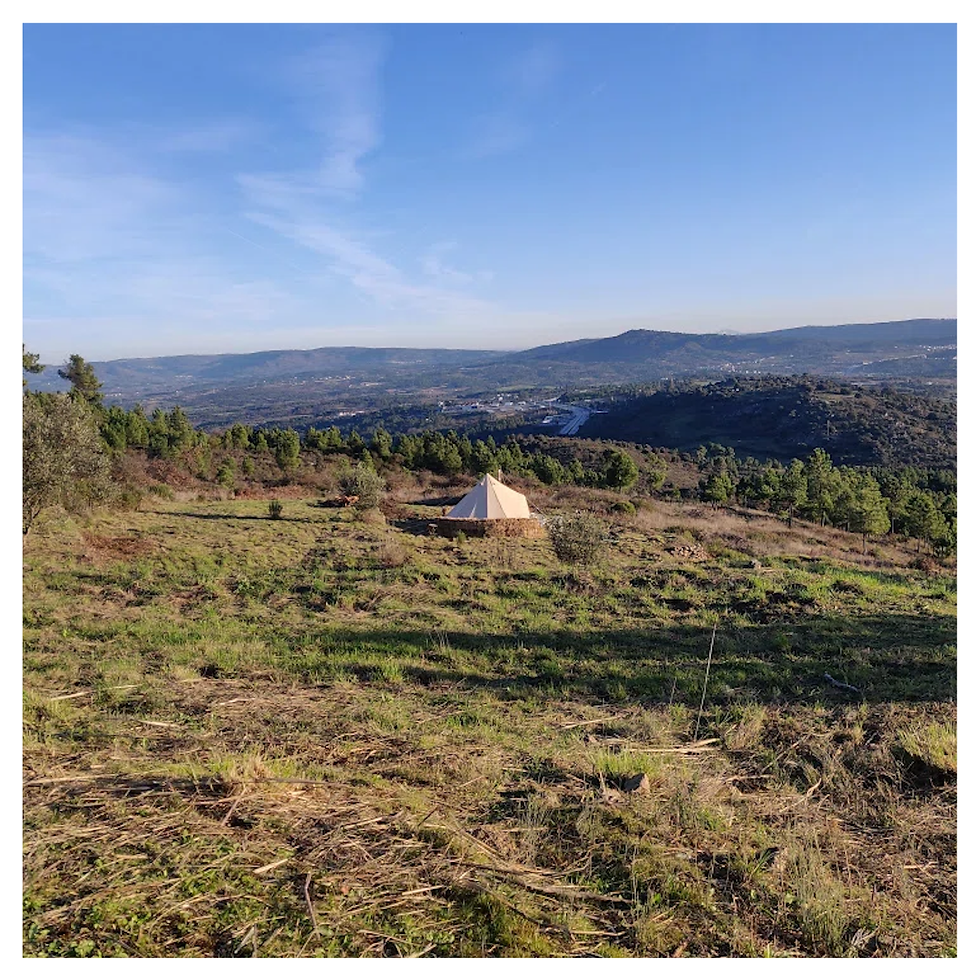
私はポルトガルのセラ・ダ・エストレーラ国立公園の中にある、田舎の小さな村のはずれで暮らしています。かなり静かで、人も少ない場所です。
そのため、よくこんな質問をされます。
「寂しくないんですか?」
私の答えはいつも同じです。
「確かに solitary な生活ですが、lonely ではありません。」
今日は「ニュアンスと現代英語」のシリーズの最初の記事として、lonely vs alone vs solitary という三つの言葉について考えてみたいと思います。
In my day-to-day life I live on the edge of a small rural village in Portugal’s Serra da Estrela National Park.
It’s a quiet and fairly remote place.
Because of this, one of the most common questions I receive is:
“Don’t you get lonely?”
My answer is always the same.
“It’s solitary, but I’m not lonely.”
So today, for the first article in my series on Nuance and Modern Usage, I thought lonely, alone, and solitary would be a wonderful place to begin.
似ているようで少し違う言葉
英語には、一見すると似ている言葉、つまり「同義語」のように見える単語がたくさんあります。
しかしよく見てみると、それぞれが少しずつ違う意味やニュアンスを持っています。
英語を学んでいると、同じ日本語に訳されているのに、実際の文章の中ではまったく違う雰囲気を持つ言葉に出会うことがあります。
こうした違いを理解することは、単に語彙を増やすだけではありません。それは、言葉が持つ感情のトーンや、言葉が作り出す静かな雰囲気を感じ取ることでもあります。
今日はその一例として、次の三つの言葉を見てみたいと思います。
lonely / alone / solitary
日本語ではこれらはよく「一人」や「孤独」と訳されますが、英語ではそれぞれ少し違う状況や感情を表しています。
English contains many words that seem similar, or even like synonyms, at first glance.
However, when we look more closely, they often carry slightly different shades of meaning.
When learning English, it is quite common to discover words that are translated into the same word in Japanese, yet feel very different when used in real sentences.
Understanding these differences is not only about expanding vocabulary. It is also about recognising the emotional tone of a word — the quiet atmosphere that certain words create.
Today I would like to look at three such words:
lonely, alone, and solitary.
In Japanese these words are often translated as 「一人」 or 「孤独」.However, in English they describe slightly different situations and feelings.
Alone
alone は、この三つの中でもっともシンプルな言葉です。
この言葉は単に「他の人がいない状態」を表します。ここには特別な感情は含まれていません。とても中立的で、状況を説明する言葉です。
つまり、人は alone であっても、必ずしも悲しいわけではありません。
たとえば、
I live alone.
(私は一人で暮らしています。)
この文は単に生活の状況を説明しているだけで、寂しいという意味は含まれていません。
もう一つの例です。
She sat alone in a café, quietly reading a book.
この場合も、単に物理的に一人でいるという状態を表しているだけです。その人はむしろ心地よい時間を過ごしているかもしれません。
The word alone is the simplest of the three.
It simply describes a situation where no other people are present.Importantly, it does not necessarily contain any emotional meaning. It is descriptive and neutral.
In other words, someone can be alone without feeling sad or unhappy.
For example:
I live alone.
This sentence simply tells us about a living situation. It does not suggest that the person feels lonely.
Another example might be:
She sat alone in a café, quietly reading a book.
Here again, the word simply describes a physical situation. The person may be perfectly comfortable.

Lonely
lonely は感情を表す言葉です。
誰かとのつながりがなくなったとき、人は lonely と感じます。そこには寂しさや孤立感が含まれています。
たとえば、
I felt lonely after moving to a new city.
新しい街に引っ越したあと、私は孤独を感じました。
この場合、話し手は物理的な状況ではなく、
自分の感情の経験について語っています。
興味深いことに、人は必ずしも一人でなくても lonely と感じることがあります。
たとえば、大きなパーティーや人の多い場所にいても、周りの人とつながっていないと感じるとき、人は孤独を感じることがあります。
The word lonely, however, describes an emotion.
When someone feels lonely, they feel the absence of connection with other people.It suggests sadness or isolation.
For example:
I felt lonely after moving to a new city.
In this case the speaker is describing an emotional experience rather than a physical situation.
Interestingly, people can sometimes feel lonely even when they are surrounded by others. A person may attend a large party yet still feel lonely if they do not feel connected to the people around them.

Solitary
solitary は、もう少し静かで文学的な響きを持つ言葉です。
この言葉も「一人でいる」という意味ですが、必ずしもネガティブな意味ではありません。
むしろ、
静かな
落ち着いた
思索的な
といったニュアンスを持つこともあります。
たとえば、
He enjoys taking solitary walks in the countryside.
彼は田舎で一人で散歩する時間を楽しんでいます。
この場合、一人でいることはむしろ穏やかで心地よい時間として描かれています。
そのため、この言葉は文学作品や描写的な文章の中によく登場します。
The word solitary has a slightly different tone again.
It is a quieter and somewhat more literary word.
While it also describes being alone, it often carries a sense of calmness or reflection.
For example:
He enjoys taking solitary walks in the countryside.
Here, being alone is not presented as something negative.
Instead, it may even be peaceful or restorative.
Because of this, the word often appears in literature or descriptive writing.

文学の中の「一人」
文学作品の中では、こうした微妙な違いが場面の雰囲気を大きく変えることがあります。
ある人物が alone なのか、
それとも lonely なのか。
あるいは solitary な時間を過ごしているのか。
同じように見える状況でも、使われる言葉によって、読者が感じる人物の内面は大きく変わります。
In literature, these subtle differences can change the atmosphere of a scene.
A character who is alone may simply be in a quiet moment.
A character who feels lonely may be experiencing emotional isolation.
A character enjoying solitary time may be reflecting on their thoughts or observing the world around them.
Although the situation may appear similar — a single person in a quiet place — the choice of word can change how the reader understands the character’s inner world.
今日のまとめ
alone
→ ただ「一人でいる」という状態
lonely
→ 寂しさや孤独を感じる状態
solitary
→ 静かで落ち着いた一人の時間
英語では、同じ「一人」という状況でも、
その感情や雰囲気を少しずつ違う言葉で表すことができます。
A Small Summary
alone
→ simply being by oneself
lonely
→ feeling sadness or emotional isolation
solitary
→ a quiet, reflective state of being alone
English often uses different words to describe not only a situation, but also the emotional atmosphere surrounding that situation.
小さな質問
この三つの言葉の中で、どれが一番印象に残りましたか?
この違いについて、これまで考えたことはありましたか?
もしよければ、コメントで教えてもらえたら嬉しいです。
A Small Question
Which of these words do you find most interesting?
Had you thought about the difference between them before?
If you feel like sharing, I would be happy to hear your thoughts in the comments.
単なる英会話を超えて、英語表現の深みを一緒に体験したい方は、ぜひ私のオンライン読書会(文学サークル)に参加してみませんか?
If you'd like to go beyond simple English conversation and experience the depth of English expression together, please come join my online reading group.
🌐 English 読書会 公式サイト (English Reading Group Official Website): [https://ja.english-dokushokai.com] (※現在、完全無料のオンライン個別相談をご予約いただけます / Where you can book a completely free introductory session☕️)
Comments