「詩を拷問して意味を聞き出すな」Billy Collins が語る詩の読み方 - “Don’t Tie a Poem to a Chair and Torture It for Meaning” How Billy Collins Thinks We Should Read Poetry
- Davide

- Mar 12
- 8 min read
「詩を拷問して意味を聞き出すな」Billy Collins が語る詩の読み方
ビリー・コリンズ「Introduction to Poetry」をめぐる短い考察
“Don’t Tie a Poem to a Chair and Torture It for Meaning” How Billy Collins Thinks We Should Read Poetry
A Short Reflection on Introduction to Poetry by Billy Collins
英語の詩と聞くと、多くの人は「難しいもの」あるいは「どこか神秘的なもの」を想像するかもしれません。
読者の中には、詩というものが学校の記憶と強く結びついている人も多いでしょう。そこでは詩はしばしば「与えられるもの」であり、一行ずつ丁寧に分析し、説明しなければならない対象でした。
私自身も、学校や大学の英文学の授業で過ごした数えきれない午後をよく覚えています。
上階の D ブロックにある、少し蒸し暑くて小さな教室(名前がどうにも刑務所の棟のように聞こえるのですが!)。目の前には詩集が開かれ、そしてベイヴィントン先生が、その日に扱うウィリアム・ブレイクの詩から私たちが「理解すべきこと」を丁寧に説明してくれていました。
しかし、これは本当に詩に向き合う最良の方法なのでしょうか。
When many people think about poetry in English, they often imagine something difficult or mysterious.
For some readers the experience of poetry is closely tied to memories of school, where poetry was forced upon us and a poem was something to be analysed carefully and explained line by line.
I remember only too well spending countless afternoons in English Literature classes at school and college — a stuffy little room in upstairs D block (which sounds far too much like the name of a prison wing!), my anthology open in front of me while Mrs Bavington explained exactly what we were supposed to understand from whichever William Blake poem we happened to be studying that day.
But is this really the best way to approach a poem?

この問いについて考えている詩人の一人が、アメリカの作家ビリー・コリンズです。
彼のよく知られた詩「Introduction to Poetry」では、読者が詩にどのように向き合うのかが、ユーモアと穏やかなアイロニーを交えて描かれています。
この詩が示している「詩の読み方」とはどのようなものなのでしょうか。詩とは解くべき謎なのでしょうか。それとも、まずは体験すべきものなのでしょうか。
One poet who reflects on this question is Billy Collins.
In his well-known poem Introduction to Poetry, Collins explores the way readers often approach poetry, with humour and gentle irony.
Let us consider what Collins suggests about the reading of poetry, and whether a poem is something that must be solved or something that should first be experienced.
詩
The Poem
Introduction to Poetry
I ask them to take a poem
and hold it up to the light
like a color slide
or press an ear against its hive.
I say drop a mouse into a poem
and watch him probe his way out,
or walk inside the poem’s room
and feel the walls for a light switch.
I want them to waterski
across the surface of a poem
waving at the author’s name on the shore.
But all they want to do
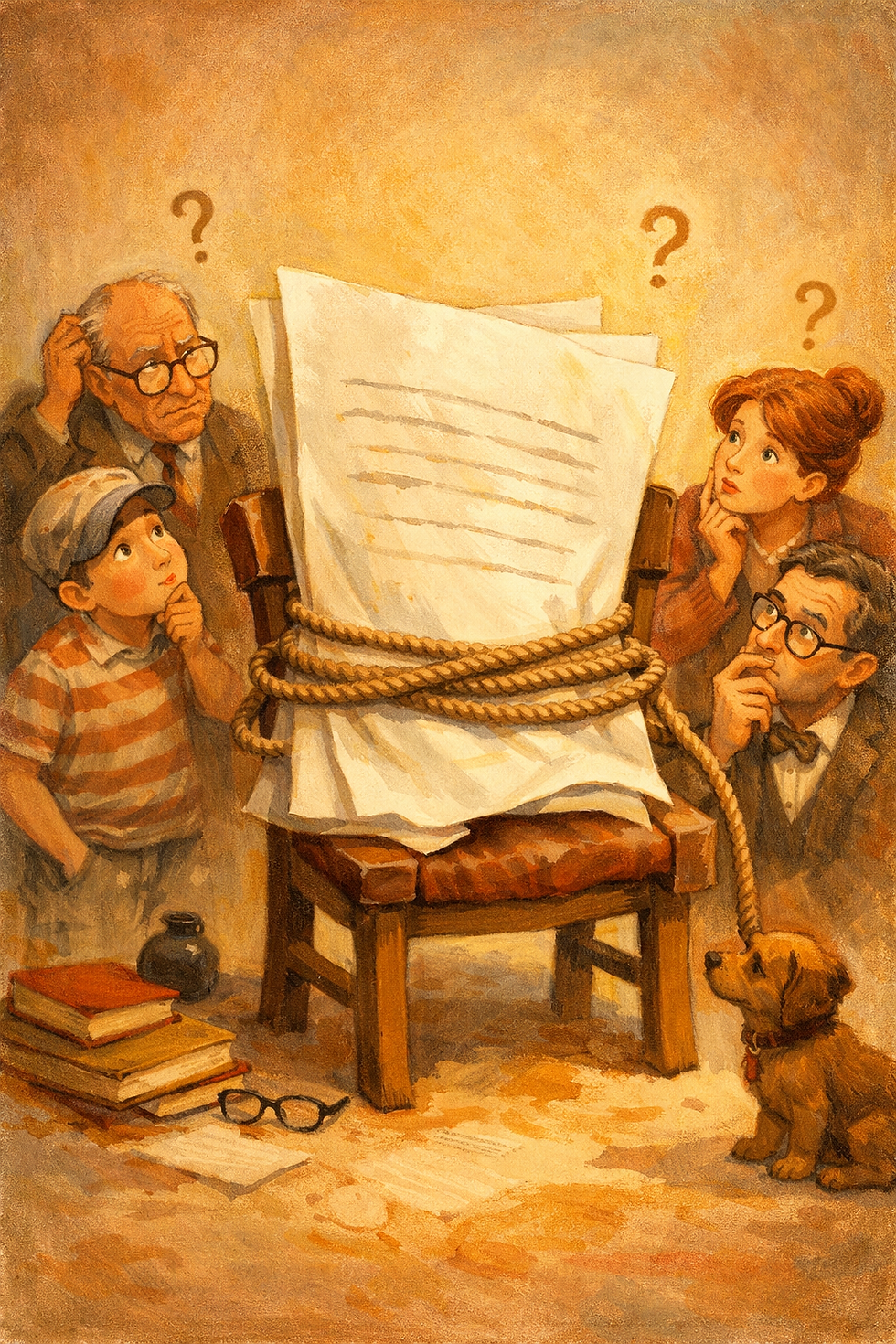
is tie the poem to a chair with rope
and torture a confession out of it.
They begin beating it with a hose
to find out what it really means.
詩を「体験する」
詩の前半でコリンズは、詩に向き合うさまざまな想像的な方法を提示しています。
読者は次のようなことを勧められます。
・詩を光にかざしてみる
・蜂の巣のように耳を押し当ててみる
・詩の部屋の中に入ってみる
どれも少し不思議で遊び心のあるイメージです。
しかしそこには共通する一つの考えがあります。
詩とは、すぐに説明するものではなく、
まずは探検し、体験するものなのだという考えです。
コリンズは、厳密な意味で「理解する」という言葉をほとんど使いません。
むしろ強調されているのは「経験すること」です。
読者は詩を観察し、その中を歩き、
あるいは表面を「ウォータースキー」で滑ることさえできます。
このイメージは、詩が「解くべき問題」というよりも、
「訪れる場所」に近いことを示しているのかもしれません。
Experiencing a Poem
In the first half of the poem, Collins presents several imaginative ways of approaching poetry.
The reader is encouraged to:
hold the poem up to the light
press an ear against it like a hive
walk inside it like a room
These images are unusual and playful. Yet they all suggest the same idea: that a poem is something we explore and experience rather than something we immediately explain.
Collins almost never speaks about “understanding” the poem in a strict analytical sense. Instead, the emphasis appears to fall on experience.
The reader might observe the poem, move through it, or even skim across its surface — “waterskiing” while waving at the author on the shore.
Such imagery suggests that poetry may be less like a problem to be solved and more like a place to visit.

そして…突然の変化
詩の後半では、はっきりとした変化が起こります。
コリンズは、詩をどのように読んでほしいかを語るのではなく、
実際には人々がどのように詩を読んでしまうのかを描き始めます。
好奇心をもって詩を探検する代わりに、
読者は詩から「明確な説明」を無理やり引き出そうとします。
その結果、イメージは突然とても攻撃的になります。
“tie the poem to a chair with rope
and torture a confession out of it.”
ここでは詩は、まるで中世の罪人のように扱われています。
読者は「本当の意味」を引き出そうとして、
詩を叩き、問い詰め、秘密を白状させようとするのです。
もちろんこれは誇張されたユーモアですが、
学校で詩を学んだことのある人には、どこか見覚えのある光景かもしれません。
Then… A Sudden Change in Tone
The poem takes a noticeable turn in its second half.
Rather than describing how he wishes people would read poetry, Collins now describes how they often actually approach it.
Instead of exploring the poem with curiosity, readers attempt to force a clear explanation from it.
The imagery suddenly becomes much more aggressive.
The poem is treated almost like a medieval criminal under interrogation, as readers attempt to extract a single “true meaning.”
The exaggeration is clearly humorous, yet it also reflects a very familiar experience for many of us who encountered poetry in school.
小さなアイロニー
この詩には、もう一つ穏やかなアイロニーがあります。
というのも、今まさに私たちは
この詩を注意深く読み、意味について考えているからです。
ある意味では、詩が批判していることを
私たち自身もしているように見えるかもしれません。
しかし違いは、その姿勢にあるのかもしれません。
私たちは詩から唯一の「正解」を引き出そうとしているわけではなく、
ただそのイメージやトーン、そしてユーモアを観察しているだけです。
その意味では、この読み方こそが
コリンズの勧めている読み方に近いのかもしれません。
A Small Irony
There is also a gentle irony present in Collins’s poem.
After all, here we are reading the poem carefully and discussing what it might mean.
In some sense we might appear to be doing exactly what the poem criticises.
Yet perhaps the difference lies in our approach. Rather than attempting to force a single correct answer, we simply observe what the poem is doing — its imagery, its tone, and its humour.
In this way, our reading becomes closer to the exploratory approach Collins seems to encourage.
詩を読むもう一つの方法
コリンズの詩が伝えている最も大切なことは、
実はとてもシンプルかもしれません。
詩とは、必ずしもすぐに解かなければならないパズルではありません。
ときには少し立ち止まり、
イメージに目を向け、
詩がゆっくりと広がっていくのを待つことも大切です。
ベイヴィントン先生のように詩を尋問するのではなく、
しばらくその詩を「体験してみる」こともできるのです。
A Different Way to Read
Perhaps the central suggestion of Collins’s poem is quite simple.
A poem is not always a puzzle that must be solved immediately.
Sometimes it may be better to slow down, notice the images, and allow the poem to unfold gradually.
Rather than interrogating the poem, we might instead spend some time experiencing it.
小さな質問
最後に一つ質問です。
英語の詩を読むとき、
あなたはすぐに「意味」を理解しようとしますか?
それとも、まず雰囲気やイメージを楽しむことから始めますか?
もしよければ、ぜひコメントで教えてください。
A Small Question
This leads us to a final question.
When you read poetry in English, do you immediately try to determine what the poem means?
Or do you prefer to read it first and simply enjoy the atmosphere and imagery?
If you would like to share your thoughts, I would be very interested to hear them.
英語の小さな学びノート
この投稿は、英語の言葉や文学についての小さな学びの記録として書いています。
投稿の大まかなリズムは次のようになっています。
月曜日 — 語源と言葉の歴史
火曜日 — ニュアンスと現代英語
水曜日 — レトリックと言葉の表現
木曜日 — 詩や文学の言葉
金曜日 — 描写表現
土曜日 — 私の生活や農業、教師としての日常
英語の言葉や文学に興味があれば、気軽にフォローしてもらえたら嬉しいです。
A Small English Study Corner
These posts are part of a small series where I write about English words, language, and literature.
The general rhythm of the week looks something like this:
Monday — Etymology and the history of words
Tuesday — Nuance and modern usage
Wednesday — Rhetoric and expressive language
Thursday — Poetry and literary language
Friday — Descriptive writing
Saturday — About my life, farming, and teaching
If you enjoy learning about language and literature, feel free to follow along.
単なる英会話を超えて、英語表現の深みを一緒に体験したい方は、ぜひ私のオンライン読書会(文学サークル)に参加してみませんか? If you'd like to go beyond simple English conversation and experience the depth of English expression together, please come join my online reading group.
🌐 English 読書会 公式サイト (English Reading Group Official Website): [https://ja.english-dokushokai.com] (※現在、完全無料のオンライン個別相談をご予約いただけます / Where you can book a completely free introductory session☕️)
Comments